
Professional training for current and aspiring mother-support practitioners
When Mothers Feel They’re Failing
Help break the cycle of maternal guilt, shame and self-blame, and be part of the change in the culture of motherhood.
Learn to recognise the social and cultural expectations underpinning mothers’ experiences of guilt, shame and self-blame, and support them in beginning to release the expectations that leave them feeling they’re not enough.
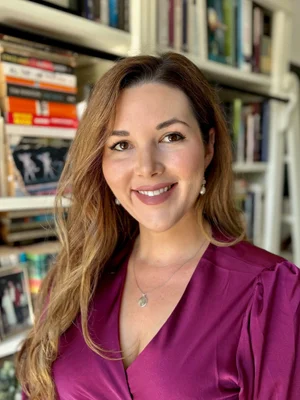
Learn with Dr Sophie Brock, Motherhood Studies sociologist, PhD, and educator to more than 350 practitioners across 20 countries.
Practical frameworks and tools · 2–3 hours of training · Certificate of Completion
Training and resources available from 8 December 2026, with ongoing access to complete the training at your own pace.
Listen on the go
What do you hear when a mother tells you she’s failing?
You may recognise these words from the mothers you support.
“Everything falls on me. There’s just so much pressure.”
“I feel guilty whenever I do something for myself.”
“I love my children, but I just feel so exhausted and resentful.”
“No matter how much I do, it never feels like enough.”
“I don’t even have time to feel like myself anymore.”
“I should be coping better.”
“Other mothers seem to manage. Why can’t I?”
“I just never feel like I’m a good enough mother.”
These may be familiar expressions of guilt, overwhelm and self-doubt.
But beneath these statements are often unspoken expectations about what a mother should be, what she should do and what she should be able to manage.
These expectations are not simply beliefs that mothers have internalised. They are continually reinforced through the culture, systems and structures within which mothers live. Supporting mothers to recognise these messages can help them begin to question the expectations they have taken on and become more attuned to the messages they continue to encounter.
When mothers internalise these expectations, falling short of them can become more than a source of guilt about what they’ve done. It can become a source of shame about who they are.
And when these expectations remain invisible, mothers can find themselves caught in a cycle of perfectionism, striving, guilt, self-criticism and shame.
What if you could help mothers loosen the grip of guilt and shame, and begin to see themselves with greater compassion rather than through the lens of everything they believe they’re failing to be?
This training gives you a practical way to help mothers recognise where these feelings come from, begin to untangle their sense of worth from the expectations of being a ‘good mother’, and open up new possibilities for how they experience being a mother.
Understanding a mother’s inner world also requires understanding the world in which she mothers.
When we explore maternal guilt and shame without also considering the cultural expectations that shape these experiences, we risk overlooking an important part of what mothers are struggling with.
A sociological approach brings this dimension into view, complementing your existing professional knowledge and giving you additional ways to understand and support mothers.
What if part of what a mother is carrying isn’t hers to carry?
Supporting mothers involves attending to their emotional experiences, relationships, circumstances and individual needs.
But it also involves recognising the cultural expectations through which mothers have learned to evaluate themselves.
When a mother begins to recognise that some of the standards she’s measuring herself against are socially constructed, rather than universal measures of her worth, something important becomes possible.
She can begin to separate who she is from who she’s been taught she should be, and loosen the hold that guilt, shame and self-blame have on her.
This is what a sociological perspective can bring to your work with mothers.
From Sophie’s previous programmes
[Sophie’s teaching] … has opened my eyes to the invisibilization of maternal work and has given me the language and tools to challenge Patriarchal Motherhood, not only in my own life but also in my mission to support other moms through my work.
Founder, Authentically Imperfect Mama
The difference a sociological perspective can make
From personal failure to a different understanding of herself.
An illustrative example, not a client case study or testimonial.
I feel like a terrible mother because I’m relieved when my children go to school.
How she may understand it
A mother may interpret her desire for time away from her children as evidence that she is selfish, insufficiently devoted or somehow deficient as a mother.
What a sociological perspective adds
A sociological perspective opens up another dimension of understanding: the cultural expectation that a good mother should find fulfilment in being constantly available to her children.
What might become possible when she begins to recognise that wanting time for herself is not a measure of how much she loves her children?
This training equips you with frameworks and tools to bring this additional dimension of understanding into your professional work.
Be part of creating a different experience of motherhood.
You may have chosen to work with mothers because you believe they deserve a different experience of motherhood. One in which their worth is not measured against impossible expectations, and where guilt and shame are not accepted as inevitable parts of being a mother.
Perhaps that belief has grown from your own experiences of motherhood and the support you wish had been available to you. Perhaps you’ve seen, through your professional work, how profoundly these expectations can shape mothers’ lives.
Bringing a sociological perspective into your practice is one way to contribute to that change — helping to shift the narratives that leave so many mothers carrying guilt and shame alone.
From Sophie’s previous programmes
As a Registered Counsellor with a background in Psychology, the sociological exploration of motherhood has been so helpful in widening my understanding of maternal mental health. On a personal level, the course helped me to navigate my second postpartum experience with greater awareness and liberation. I am excited to bring this knowledge into my counselling practice.
Registered Counsellor
Feel more equipped to make the difference you want to make.
Bring a new dimension to the work you already do — and deepen the difference you can make.
This training doesn’t replace your existing qualifications or approach. It adds a distinctive sociological dimension to the expertise you already bring, or a sociological foundation to build into the practice you’re preparing to develop.
Through this training, you’ll develop
Your practitioner tools
Two practical tools to help you interrupt cycles of maternal self-blame.
Both are designed to offer you a structured way to bring a sociological perspective into your conversations with mothers.
The LISTEN Framework
Know what to listen for when a mother tells you she feels like she’s failing.
Implement a structured approach to recognising the hidden expectations embedded in mothers’ accounts of their experiences, making sense of what you’re hearing and considering how to respond.
Learn all six components of the LISTEN Framework and receive a downloadable practitioner guide to return to in your work.
The Perfect Mother Myth Assessment Tool
Make the invisible expectations mothers are carrying more visible.
Explore how dominant mothering ideals may have been internalised and how these expectations may be contributing to mothers’ experiences of guilt, shame and inadequacy.
Learn how to draw on this reflective practitioner resource to inform your understanding and open up new conversations about the standards mothers are measuring themselves against.
A reflective practitioner resource, not a diagnostic or clinically validated psychometric instrument.
From Sophie’s previous programmes
“Dr. Sophie Brock provides language, scientific evidence, and a clear sociological framework that allows you to understand the phenomena of motherhood in a way that is both rigorous and deeply practical.”
Both tools, the full training and your Certificate of Completion for $292 AUD
Enrol nowThe training
Five sections, from foundations to your own practice.
About 2–3 hours of self-paced video teaching, also available as a private podcast, with guided reflection and practical examples throughout.
-
1
Foundations – Contextualising Maternal Guilt, Shame and Self-Blame
Explore maternal guilt, shame and self-blame through a sociological lens, examining how the cultural expectations and social conditions of motherhood shape mothers’ experiences and their perceptions of themselves.
-
2
The Rules – Exploring the Internalisation of the Perfect Mother Myth
Examine the often-unspoken rules of ‘good motherhood’, how mothers come to internalise these expectations, and the relationship between maternal ideals, perfectionism, guilt and self-worth.
-
3
Practical heart
Recognising – Identifying Maternal Ideologies in Professional Practice
Learn to recognise how dominant maternal ideologies can surface in mothers’ language, experiences and perceptions of themselves. Explore how to apply the Perfect Mother Myth Assessment Tool to deepen your understanding of the expectations shaping mothers’ experiences.
-
4
Practical heart
LISTEN – A Sociological Approach to Listening for and Deconstructing Maternal Guilt and Shame
Learn to apply the LISTEN Framework, a structured sociological approach to recognising the expectations underpinning maternal guilt and shame, exploring their origins, and supporting mothers to begin questioning their hold.
-
5
Integration – Translating Sociological Insight into Practice
Bring your learning together through practical examples and reflection, exploring how to integrate the frameworks, tools and sociological insights from this training into your own work supporting mothers.
Your educator
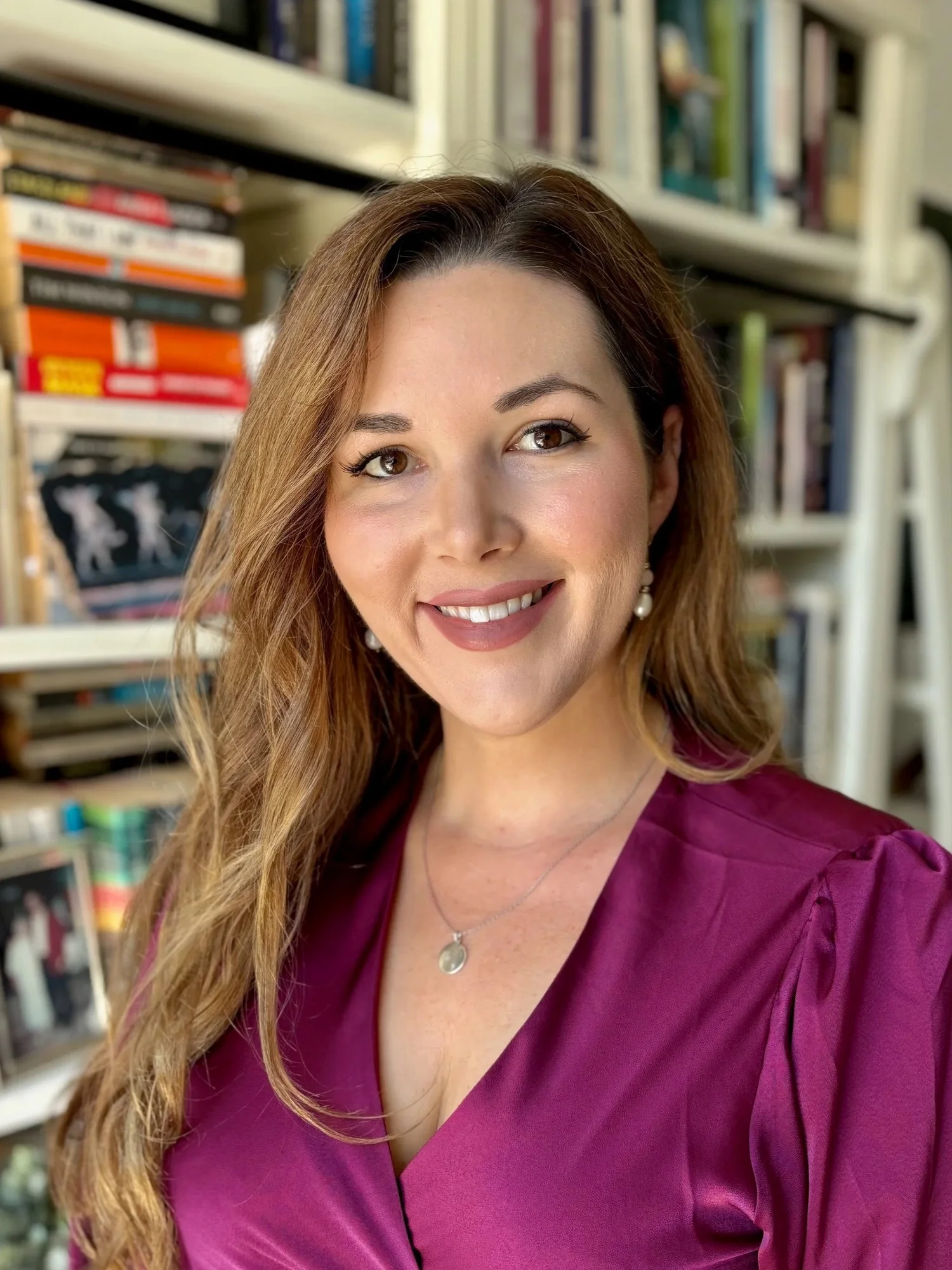
Dr Sophie Brock
Sophie is a Motherhood Studies sociologist and educator with a PhD in Sociology from the University of Sydney and more than a decade of researching and teaching about the social and cultural forces shaping mothers’ lives.
She created the Motherhood Studies Practitioner Certification and has educated more than 350 practitioners across 20 countries, helping them bring a sociological understanding of motherhood into their work. She hosts The Good Enough Mother podcast.
- PhD, University of Sydney
- 350+ practitioners educated in 20 countries
- The Good Enough Mother podcast: 430,000+ downloads
From Sophie’s previous programmes
“I left with immensely more understanding of my own identity as a woman and as a mother, more self compassion, and an entirely new definition of success.”
Who it’s for
For those who support mothers — and those who want to.
- Established practitioners wanting to deepen their understanding and add practical resources to their existing work
- People at the beginning of their professional journey, exploring how they might support mothers
- People whose own experiences of motherhood have inspired them towards mother-support work
- Coaches
- Psychologists
- Counsellors
- Social workers
- Occupational therapists
- Perinatal professionals
- Educators
- Group facilitators
- Other mother-support practitioners
No prior formal study of sociology or Motherhood Studies is needed.
Already joined the free Seeing Motherhood Sociologically training? That training introduced why a sociological perspective matters. This one takes you into application: how to recognise the expectations underpinning maternal guilt and shame, what to listen for, and how to draw on practical frameworks and tools to support mothers in questioning those expectations and beginning to loosen the guilt and shame attached to them.
What’s included
Everything you receive for $292 AUD.
- About 2–3 hours of self-paced video teaching across five sections
- A private podcast version of the training
- The LISTEN Framework and downloadable practitioner guide
- The Perfect Mother Myth Assessment Tool
- Downloadable practitioner resources
- Guided reflective activities and practical examples
- A Certificate of Completion
- Bonus: Your full $292 AUD investment credited towards the 2027 Motherhood Studies Practitioner Certification, should you choose to continue your learning.
Bring a new perspective to your very next conversation with a mother.
With just 2–3 hours of self-paced professional learning, you can begin integrating an additional sociological dimension into your existing work, or build this perspective into the practice you’re preparing to develop.
When Mothers Feel They’re Failing
$292 AUD
- About 2–3 hours of self-paced video teaching
- Private podcast version
- The LISTEN Framework and downloadable practitioner guide
- The Perfect Mother Myth Assessment Tool
- Downloadable practitioner resources
- Guided reflective activities and practical examples
- Certificate of Completion
- Bonus: Your full $292 AUD investment credited towards the 2027 Motherhood Studies Practitioner Certification, should you choose to continue your learning.
Training and resources available from 8 December 2026, with ongoing access to complete the training at your own pace.
Questions
Frequently asked questions
I already have professional qualifications. What will this training add to my existing expertise?
A distinctive disciplinary perspective. Motherhood Studies examines how the cultural expectations placed on mothers shape their experiences of guilt, shame and self-blame. This training brings that sociological dimension to the expertise you already have, with specialised frameworks, language and practical tools you can draw on alongside your existing approach.
It complements, rather than replaces, your professional training and any clinical, therapeutic or coaching approaches you use.
I’m already familiar with the Perfect Mother Myth. What will this training offer beyond that understanding?
Recognising the Perfect Mother Myth is a valuable starting point. This training focuses on application: how dominant mothering ideals surface in everyday conversations with mothers, how to recognise the expectations underpinning their guilt and shame, and how to respond using the LISTEN Framework and the Perfect Mother Myth Assessment Tool, supported by practical examples and guided reflection.
Do I need a background in sociology?
No. The training begins with the foundations you need, and no prior formal study of sociology or Motherhood Studies is required.
Is this training suitable for someone preparing to work with mothers?
Yes. It’s designed for established practitioners, people at the beginning of their professional journey, and people whose own experiences have drawn them towards mother-support work. It offers a meaningful foundation, though on its own it doesn’t qualify you to practise. You remain responsible for working within your professional role and scope of practice.
Do I need to have my own business to undertake this training?
No. This training is designed for people who support mothers across a wide range of professional contexts, including private practice, healthcare, mental health, social work, community organisations, education and mother-support services. You may be employed within an organisation, working independently, developing your own professional offerings or exploring a future pathway into mother-care work. You do not need to have an established business or private practice to benefit from this training.
Will I receive practical tools as well as theoretical learning?
Yes. Alongside the sociological foundations, you’ll receive the LISTEN Framework with a downloadable practitioner guide, the Perfect Mother Myth Assessment Tool, downloadable practitioner resources, practical examples and guided reflective activities. Two of the five sections focus specifically on practical application.
Can I integrate these frameworks within my existing professional scope?
Yes. They’re designed to be used alongside your existing approach and within your professional role and scope. You’ll learn to draw on them to inform your understanding of what mothers are experiencing and to open up conversations about the expectations they’re carrying.
The Perfect Mother Myth Assessment Tool is a reflective resource, not a diagnostic or clinically validated psychometric instrument, and the LISTEN Framework is not a clinical intervention tool.
How much time will the training take?
About 2–3 hours of self-paced video teaching across five sections, which you can complete at a pace that suits you. A private podcast version lets you listen on the go, and there are no live sessions or formal assessment.
Training and resources are available from 8 December 2026, with ongoing access so you can complete the training at your own pace.
Is this training relevant if I live and work outside Australia?
Absolutely. While Dr Sophie Brock is based in Australia, her work draws on international Motherhood Studies scholarship and she has educated more than 350 practitioners across 20 countries. The sociological frameworks explored in this training are internationally relevant, while recognising that maternal expectations and experiences vary across cultural, social and geographical contexts. You are encouraged to consider and apply your learning in ways that are responsive to the particular contexts in which you support mothers.
Will I receive a Certificate of Completion, and can this count towards my professional development?
Yes, you’ll receive a Certificate of Completion. Depending on your profession and your association’s requirements, the training may contribute towards your CPD hours, so please check with your professional body. It is professional development training, not an accredited qualification, microcredential or practitioner certification.
Can I build on this training through further study?
Yes. If you decide to continue your learning through Dr Sophie Brock’s comprehensive Motherhood Studies Practitioner Certification in 2027, the full $292 AUD you invest in this training will be credited towards your enrolment.
When Mothers Feel They’re Failing is designed as a standalone professional development experience. There is no obligation to undertake further training.